Hardware + Software
IoT
Data Analysis

About the Project
Problem
More people are living independently as they age. Often, no one's close enough to notice if something happens.
Solution
Most fall detection systems force a tradeoff. Wear a device every day and hope you remember, or accept a camera that's always watching.
Felix Chen
Liuyi Zhao
Simram Saxena
Lauren Liao
Tools
React, Vite
Framer
Rhino
Timeline
4 Months
Role
Product Designer / Product Manager
Before landing on a final design, I mapped six sensors commonly used for fall detection.
The first four sensors are perfect for wearable devices. Sroom needed to work without one, which left two real candidates.
However, the floor sensor and camera combination is not meeting the need, so I explored more options and found the perfect matches.
One sensor detects falls across an entire floor. The other confirms them without recording a single frame. No invasive installation. No privacy compromise.
Ideation
Detection happens in two stages. The geophone acts as a low-power tripwire; only when it fires does the thermal camera activate to confirm a person is on the ground. The entire sequence, from floor impact to caregiver alert, takes under 125 milliseconds.
Here is how the system works within 125 ms
System Flow
I connected the geophone sensor to a Raspberry Pi and used an ADC (analog-to-digital converter) to test it. (PS: we used a Raspberry Pi to test it, but replaced the Pi with an Esp32 microcontroller for sending the data over to the main Raspberry Pi that is with the Thermal Imaging sensor)

I finalized the sensors we need and the goals we need to achieve. Simran and Lauren were in charge of the testing Thermal Imaging sensor, Liuyi and I took on the task to test the Geophone sensor.
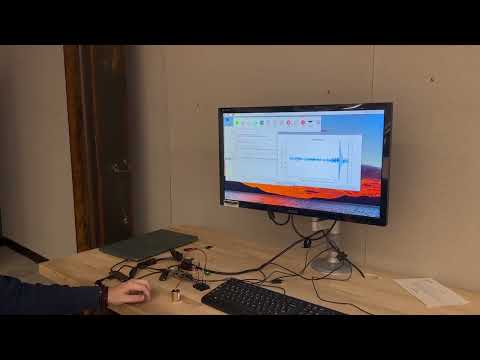
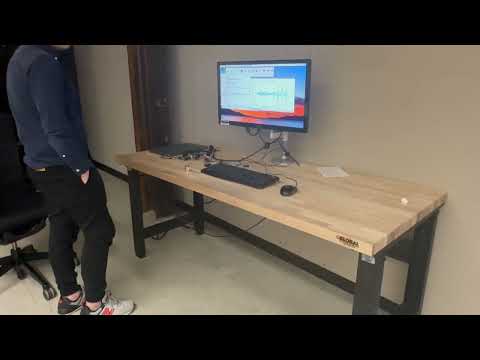
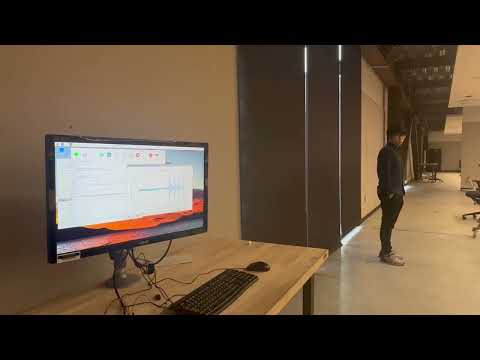
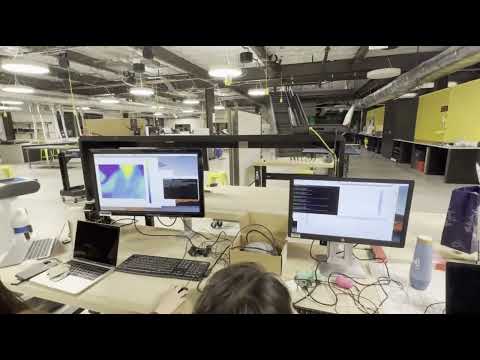
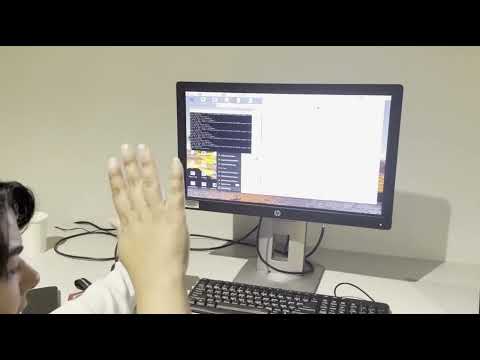
Testing Sensors
I connected the geophone sensor to a Raspberry Pi and used an ADC (analog-to-digital converter) to test it. (PS: we used a Raspberry Pi to test it, but replaced the Pi with an Esp32 microcontroller for sending the data over to the main Raspberry Pi that is with the Thermal Imaging sensor)


Enclosure Design
One look tells you everything is normal — motion, temperature, and sensor status in one view.
See the room location and confidence level immediately.
Inspect the thermal capture of the fall event.
One screen to call, get directions, or alert your care team.
App Design
Hardwareconstraintssharpenedthedesign
Ruling out wearables and cameras forced a more specific answer. The geophone and thermal pairing emerged from elimination, and that constraint produced a more honest product than a blank-slate brief would have.
Privacyisthepremise,notafeature
Every sensor we considered required the person being monitored to accept a tradeoff. The system works without anyone wearing a device or being filmed. That's not a differentiator to market; it's a floor we set before design started.
Confidencemattersmorethanspeed
When an alert fires at 2am, the first question isn't 'how fast did we detect it?' It's 'is this real, and how bad is it?' The thermal evidence view and confidence score answer both before the caregiver is out of bed.
Wherethisgoesnext
Three directions worth exploring:
Reflection
See Also


